
DEPARTURE PORT GUIDE
Seattle, Washington
Port of Seattle cruise terminals at a glance
SecurityKeep documents and identification within reachBring the government-issued identification and cruise documents required by the cruise line. Port security may inspect the vehicle before entry.
Port parkingPier 66: $30; Pier 91: from $27 per dayUse the lot for the assigned pier. Pier 66 is $30 per day before tax; Pier 91 starts at $27 per day with taxes and fees included. Parking details →
Before you leaveCheck the cruise app and boarding documentsConfirm the ship, facility, arrival window, luggage tags, and any instructions issued for that sailing. Follow current ship signs at the port.
The night before
Hotels near Port of Seattle cruise terminals

The Edgewater Hotel
Travel time: usually 5 minutes to Pier 66
Hyatt Regency Seattle
Travel time: usually 10–15 minutes to Pier 66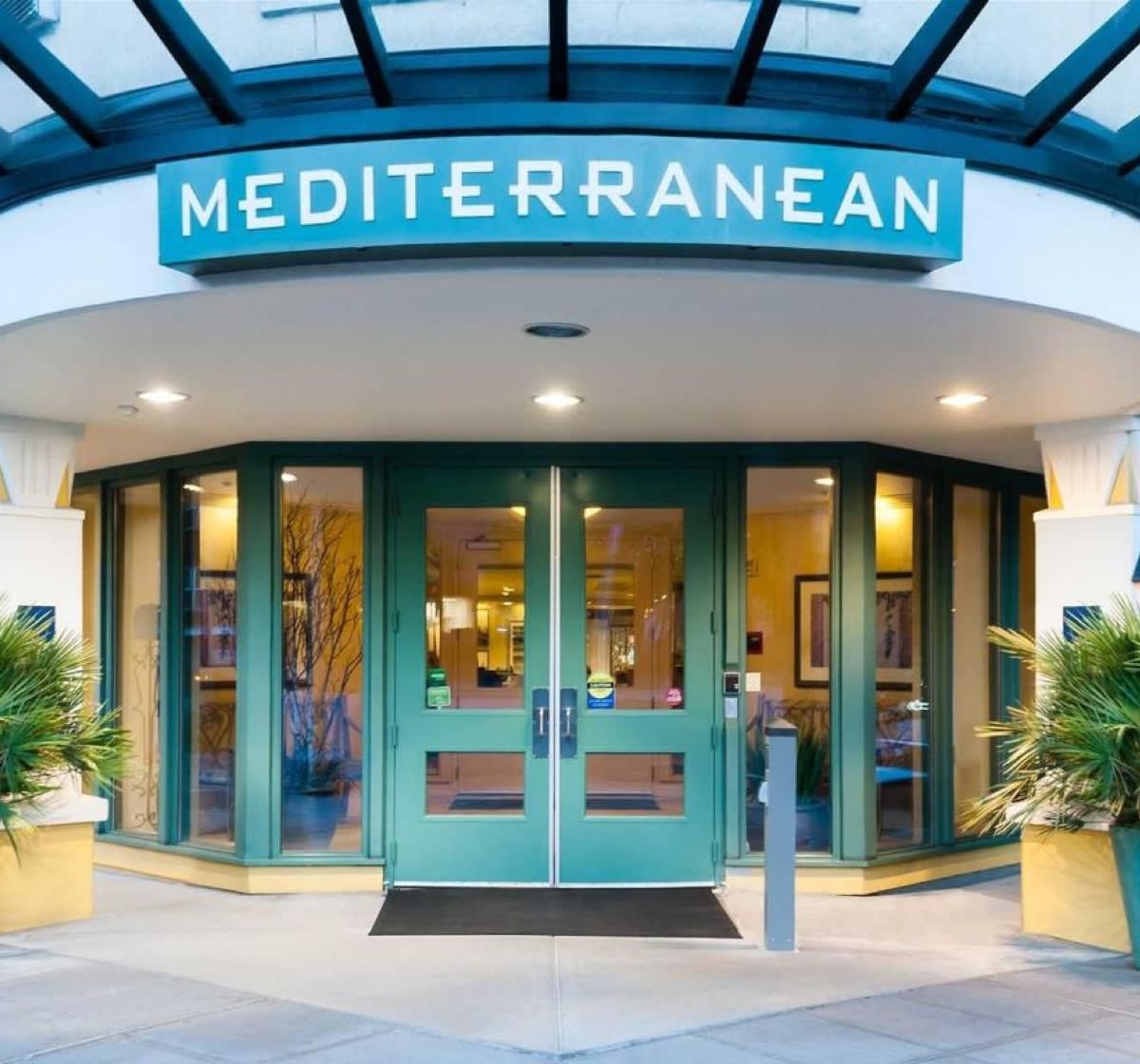
Mediterranean Inn
Travel time: usually 10–15 minutes to Pier 91Arrival day
Getting from the airport to your hotel
Collect every bag before arranging the ride
SEA is the region's main airport. Link light rail reaches downtown and can work for light packers, but a direct rideshare or taxi is easier with cruise luggage. Pier 66 and Pier 91 are several miles apart, so confirm the pier before choosing a hotel.
With cruise luggage, a rideshare or taxi is normally the simplest transfer. Collect every checked bag first, use the airport’s marked pickup area, and confirm the vehicle before loading anything.
Use the hotel’s full address
Confirm the property name, street address, and city in the app before requesting the ride. Hotels in neighboring cities can use similar cruise language even when they are not close to the same facility.
Keep passports, medication, valuables, and the next day’s cruise documents in a carry-on that stays with you.
Embarkation day
Getting from the airport directly to the port
Use the ship and current facility
Link light rail reaches downtown, followed by a taxi or rideshare; direct cars and cruise transfers are easiest with luggage.
After collecting checked luggage, enter the exact cruise facility and ship name shown in the boarding documents. A city or port name alone may lead to the wrong gate when several terminals share a waterfront.
Have documents ready before security
Keep government-issued identification and boarding documents inside the vehicle, not in checked luggage. Follow the current signs for the ship and use the designated luggage lane before parking or leaving the vehicle.
Same-day flights leave no cushion for delays. Arriving at least one day before sailing remains the safer plan.
Flying home
From the ship to the airport
Seattle-Tacoma International Airport (SEA)
A noon-or-later domestic flight is the comfortable choice. Choose later during major events, summer construction, or when checking luggage.
- Do not treat the ship’s scheduled arrival as the time passengers can leave.
- Request a rideshare only after reaching the marked exterior pickup area.
- Add time for checked bags, international flights, mobility assistance, weather, and heavy traffic.
Choose the disembarkation plan to match the flight
Self-assist luggage can provide an earlier opportunity to leave, but it does not guarantee ship clearance or an empty roadway. Travelers using standard luggage tags should avoid the final departure group when heading directly to the airport.
When an early airfare looks unusually attractive, compare it with the cost and stress of a missed flight before booking.
Driving and parking
Driving to and parking at Port of Seattle cruise terminals
Follow the current ship signs
I-5 is the main approach and can be congested. Pier 66 and Pier 91 are several miles apart.
Use the navigation address for the correct facility, then follow electronic and temporary signs once inside the port. Terminal assignments and traffic patterns can change between sailings.
Check the port’s current parking plan
Review the official parking map, daily rate, accepted payment methods, height restrictions, oversized-vehicle rules, and accessibility procedures shortly before travel. Reserve in advance when the port requires or offers reservations.
Keep passports, medication, electronics, valuables, and anything needed before cabins open in a carry-on that does not leave with the checked luggage.